Why pH-Neutral Cleaning is Essential for Natural Stone
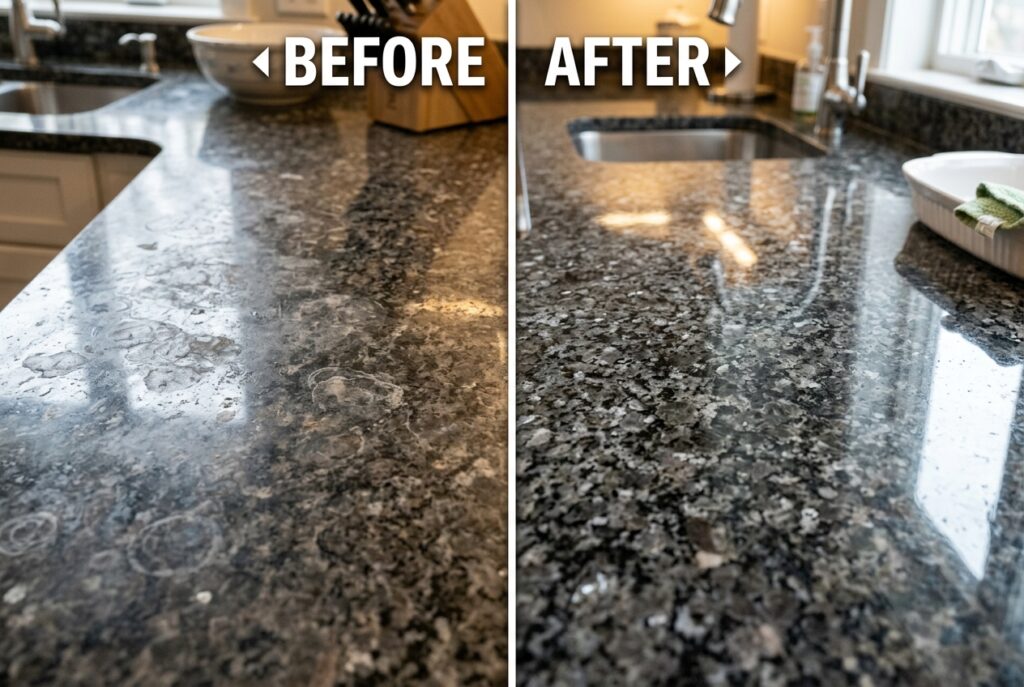
If you have granite or marble countertops, you might be tempted to reach for your favorite all-purpose cleaner to keep them shiny. However, many conventional household cleaners are highly acidic or overly alkaline. When these harsh chemicals meet natural stone, they cause a chemical reaction called etching. Etching physically eats away at the top layer of your stone, leaving dull, cloudy spots that look like permanent water stains. Over time, this damage breaks down the protective sealant, leaving your expensive surfaces vulnerable to deep, irreversible stains.
The secret to keeping natural stone looking brand new is using a strictly pH-neutral cleaner. A pH-neutral solution sits right in the middle of the pH scale (around 7), meaning it is neither acidic like vinegar nor basic like bleach. This gentle approach cleans away grease, food spills, and daily grime without degrading the stone or stripping its sealant. By mixing up a simple, pH-neutral daily polish at home, you can protect your investment and maintain that beautiful, mirror-like finish safely.
🧹 What You Need
- Distilled water: Tap water can contain hard minerals that leave streaks and water spots on shiny stone surfaces. Distilled water ensures a perfectly clear finish.
- Isopropyl alcohol (rubbing alcohol): Look for a 70% concentration. This provides sanitizing power and helps the solution evaporate quickly, preventing streaks.
- pH-neutral dish soap: A gentle dish soap like Dawn or a specialized stone soap works best. Avoid anything with citrus, bleach, or heavy degreasers.
- Microfiber cloths: You will need one for cleaning and a separate dry one for buffing. Microfiber traps dirt instead of pushing it around.
- A clean spray bottle: A 16-ounce glass or plastic bottle is perfect for mixing and storing your daily polish.
Step-by-Step Instructions
Step 1: Prep the Surface
Before applying any liquid, gently wipe the countertop with a dry microfiber cloth or a soft brush to remove loose crumbs and debris. Skipping this step can cause you to drag hard particles across the stone, creating microscopic scratches in the polish.
Step 2: Mix the Solution
In your spray bottle, combine one cup of distilled water and a quarter cup of isopropyl alcohol. Add exactly three drops of your pH-neutral dish soap. Using too much soap is a common mistake that leaves a sticky film behind, which attracts more dirt. Gently swirl the bottle to combine the ingredients without creating excessive bubbles.
Step 3: Apply the Cleaner
Spray the mixture lightly over a small section of the countertop. Work in manageable two-foot sections so the alcohol does not evaporate before you have a chance to wipe it down. Pro tip: Let the solution sit for about thirty seconds if you are dealing with dried food spills, allowing the soap to break down the grime safely.
Step 4: Wipe and Clean
Take a clean, slightly damp microfiber cloth and wipe the section in an “S” pattern. This technique ensures you are picking up debris rather than just moving it from side to side. Apply gentle pressure, letting the solution do the heavy lifting rather than scrubbing aggressively.
Step 5: Buff to a Shine
Immediately follow up with a completely dry microfiber cloth. Buff the freshly cleaned area using quick, circular motions. The alcohol in the mixture helps it dry fast, but buffing by hand ensures there are absolutely no streaks and brings out the natural luster of the stone.
⚠️ What Not to Do
Never use vinegar, lemon juice, or any citrus-based cleaners on marble or granite. The acid will immediately begin etching the surface. Avoid abrasive scouring pads, steel wool, or stiff brushes, which will scratch the sealant and dull the stone. Do not use generic window cleaners, as the ammonia can cause the polish to degrade over time. Finally, avoid leaving standing water on your countertops for extended periods, as even plain water can penetrate unsealed stone and cause discoloration.
How to Keep Results Longer
To maintain your stone’s brilliant shine, make a habit of wiping up spills the moment they happen, especially acidic liquids like wine, coffee, or tomato sauce. Use coasters under all glasses and place trivets under hot pans to prevent thermal shock and scratching. Test your stone’s sealant every six months by placing a few drops of water on the surface; if the water absorbs and leaves a dark mark instead of beading up, it is time to reapply a penetrating stone sealer.
Frequently Asked Questions
Can I use this polish on quartz countertops?
Yes. Although quartz is an engineered stone and less porous than natural marble or granite, it still benefits from a gentle, pH-neutral cleaner. This recipe will leave quartz shiny and streak-free without damaging the resin binders.
How often should I use this cleaning recipe?
This pH-neutral formula is gentle enough for daily use. You can safely use it after every meal to sanitize and polish your countertops without worrying about buildup or damage.
What should I do if my marble is already etched?
If you have dull spots from acidic spills, this daily cleaner will not fix them, as etching is physical damage, not a stain. You will need to use a specialized marble polishing powder (like tin oxide) to gently buff out minor etches, or call a professional for deep damage.
Can I add essential oils for scent?
It is best to avoid essential oils in your stone cleaner. Many essential oils, especially citrus oils, are naturally acidic and can cause micro-etching. Additionally, the oil can leave a greasy residue that ruins the streak-free finish you are trying to achieve.
✅ Bottom Line
Taking care of natural stone does not require complicated routines or expensive commercial products. By understanding how pH levels affect your surfaces and utilizing this simple, neutral recipe, you can protect your countertops from long-term damage. Consistent, gentle cleaning combined with prompt spill management will keep your granite and marble looking flawless for years to come. For additional household cleaning advice, check out our recommended grout and mold solutions.